The Fine Art of Collecting with Arcadia Art Consultancy
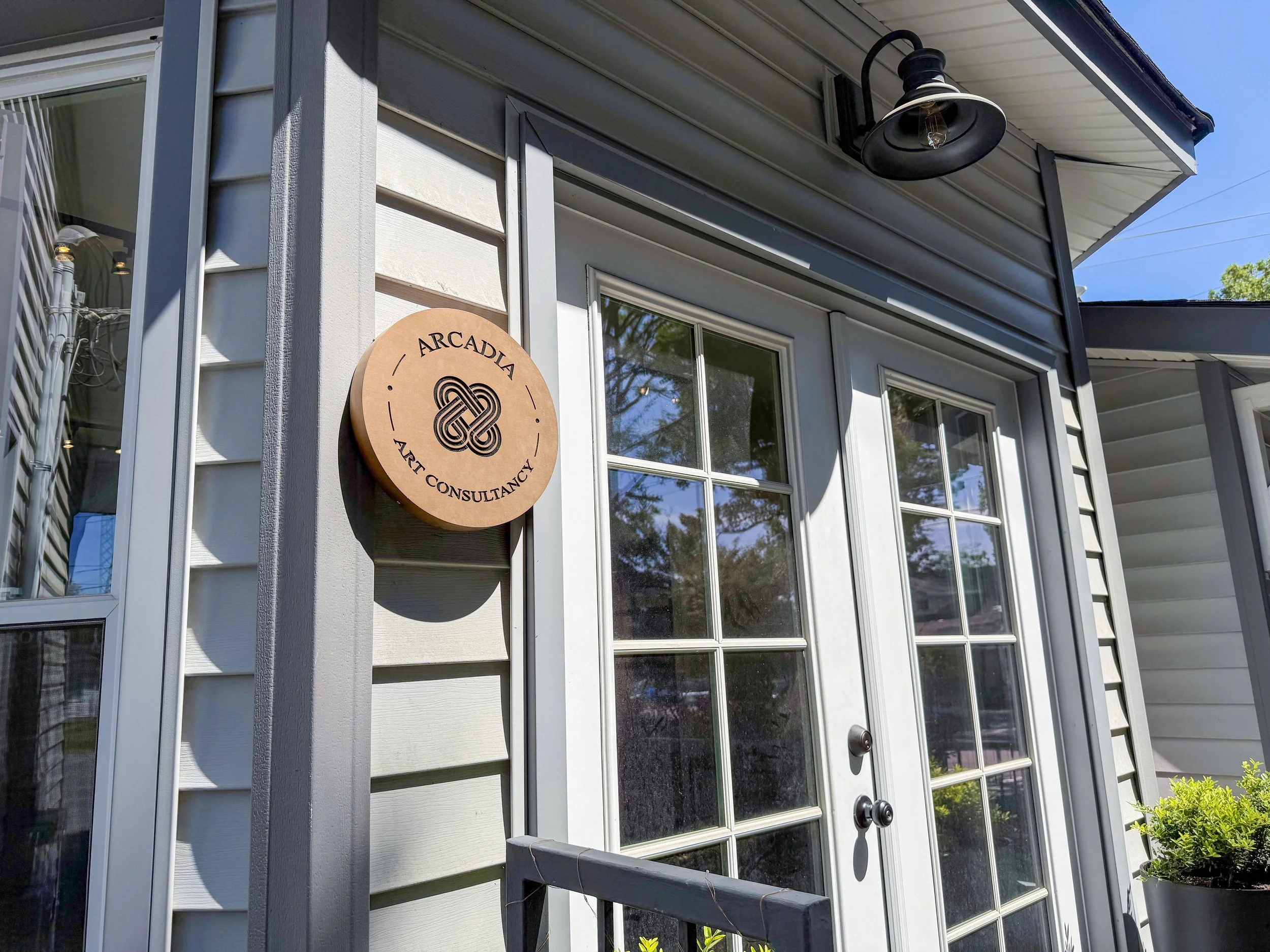
Photo: Front Row Charlotte
There are plenty of things up for debate in Charlotte, from its culinary scene and fashion credentials to whether the city even has a culture of its own. However, one thing Charlotte has managed to get right, and that most can collectively agree on, is its art scene.
The city is, of course, home to institutions like the Bechtler Museum of Modern Art and The Mint Museum, but art here extends well beyond museum walls. It regularly finds its way into Charlotte’s social scene, serving as the backdrop for some of the city’s most fabulous parties and bringing together artists, collectors, and those who simply appreciate the work.
With art playing such a visible role in the city, it’s only natural that some Charlotte residents will become interested in building collections of their own. Knowing where to start can be tricky, especially if you want to be intentional about what you bring into your home rather than simply grabbing the first piece that catches your eye at a local department store.
That’s where Arcadia Art Consultancy comes in. Located in Dilworth, the boutique tangible asset management firm provides advisory, appraisal, and collection management services, primarily for fine art and jewelry. I chatted with Kait McElwee, the firm’s Managing Partner, to learn more about Arcadia and how it can help turn an interest in art into a thoughtfully built collection.
For someone new to art collecting, working with an art consultant may sound like something reserved for those who already have an established collection. In reality, Kait explains that Arcadia works with clients at virtually every point in the process, including those considering their very first acquisition.

Leigh Suggs, Untitled (Dimension of Oneness), 2023. Available through Arcadia Art Consultancy.
“At AAC, we help collectors build, manage, and transfer collections through the lens of connoisseurship, art historical significance, and financial value,” Kait explains. “The art world is both vast and famously opaque, and our role is to be the collector's advocate inside it, someone whose only interest is the strength of their collection.”
Some clients arrive with the foundations of a collection already in place and need help refining, organizing, or better understanding what they own. Others are thinking much further ahead, including how their collections might eventually be passed down to family or transferred to an institution. And then there are those who simply know they want to collect but have no idea what they like yet.
For that group, Arcadia doesn't begin by handing over a shopping list.
“The first step is always to get to know them personally,” Kait notes. “I want to understand their likes and dislikes, of course, but more importantly, I want to understand what they hope to gain from the collection and what its long-term goals are.”
From there comes exposure. Clients are introduced to different periods, styles, and artists, from recognizable names to those they may have never encountered before. As Kait puts it, “Taste is developed, not prescribed. You don't truly know what you love until you know what's out there.”
Finding the Right Piece
Once that taste begins to take shape, finding the right work involves considerably more than scrolling through what happens to be available at the moment. In fact, much of Arcadia's work on an acquisition happens before a client ever expresses interest in a particular piece.
The team travels nationally and internationally throughout the year, attending gallery openings, auction previews, museum exhibitions, art fairs, and biennales. The idea is to maintain a working knowledge of the market so that when a client is ready to buy, Arcadia already has a sense of what is out there.
When a potential acquisition emerges, it is vetted from several perspectives, including its art historical significance, quality, and financial value. But even more important is whether it actually makes sense for the individual collection.
“We want to be confident not only that the work is excellent, but that it's excellent for that particular collector,” Kait emphasizes.
If the client decides to move forward, Arcadia handles the less romantic realities of buying important art as well, from insurance and shipping to conservation, framing, and installation. Kait readily acknowledges that this part “isn't glamorous,” but it's what ensures the work arrives safely and can actually be enjoyed once it gets home.
Access to the Art World
There is also the matter of access. While anyone can walk into a gallery or attend many art fairs, some of the art world's most desirable works change hands through a network that isn't necessarily visible to the casual buyer.
Every major fair has an invitation-only preview where some of the strongest material is seen first, Kait explains. Arcadia also maintains relationships with dealers, gallerists, and auction house specialists, connections that can mean clients are considered before a work ever reaches a broader audience.
“It is a relationship-driven world where trust is built over years and reciprocated in both directions,” she explains. “The result is that our clients are considered early, and often privately, when something exceptional becomes available.”
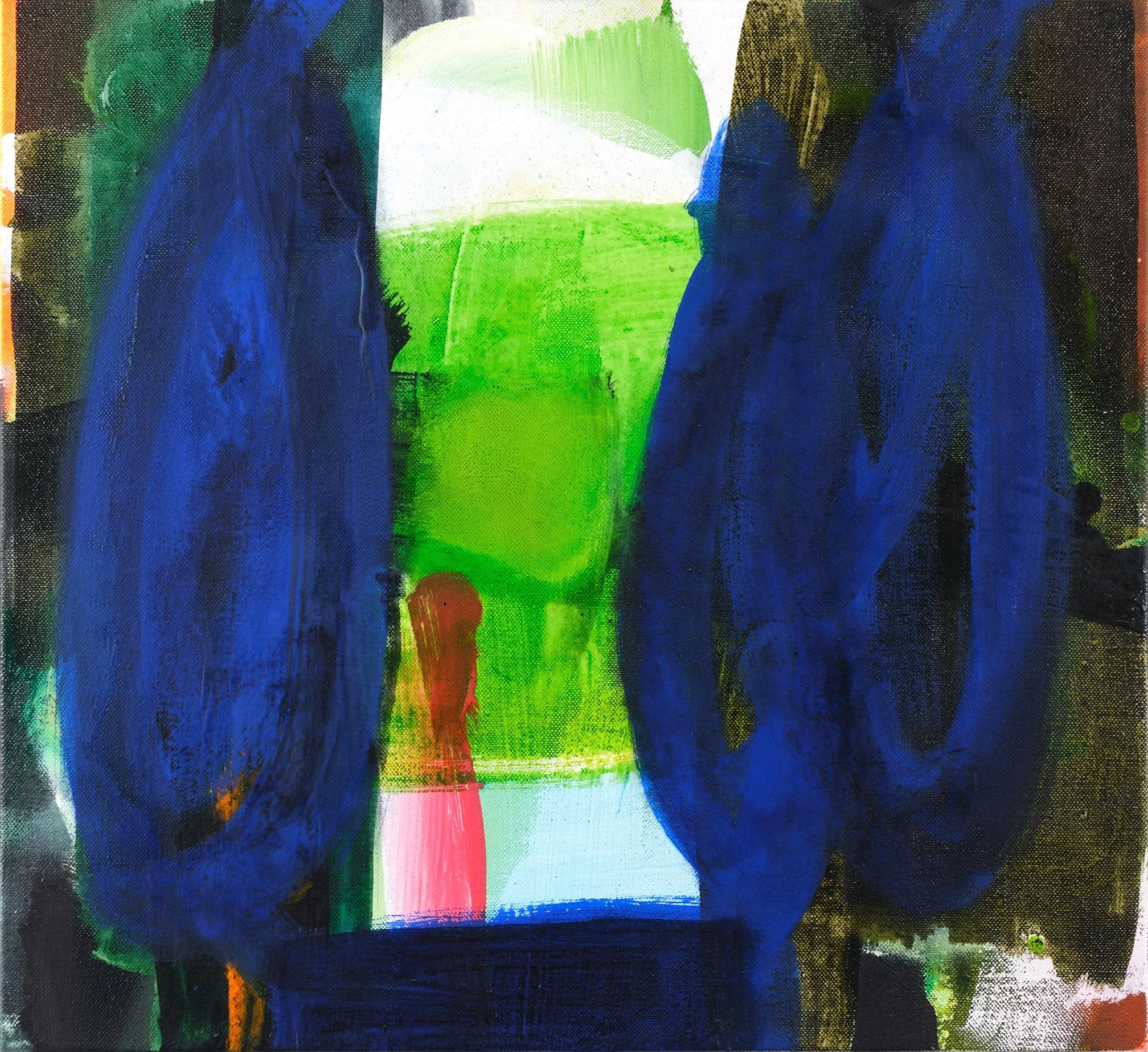
Sarah Carter, Blue Trees, 2023. Available through Arcadia Art Consultancy.
That level of access might reinforce the idea that serious collecting requires serious money. But according to Kait, one of the biggest misconceptions about collecting is that there is some financial threshold you have to cross before you can call yourself a collector.
“Collecting is a mindset far more than it is a budget,” she notes. “A collector is someone who buys with intention, with a point of view, a willingness to learn, and a sense of how one work relates to the next.”
In other words, you don't need a museum-worthy budget to begin. Kait has seen compelling collections built slowly and with discipline rather than enormous financial resources. As she points out, “What consistently matters more than budget is curiosity, and the guidance to point it in the right direction.”
Charlotte's Quiet Collectors
That mindset is already well represented in Charlotte.
Despite the city's visible art scene, some of its most interesting collections remain decidedly out of view. Kait describes a community of serious private collectors whose walls most of us will probably never see.
“There are serious collections in this city, built with real depth and real intention, and most people would never know they exist,” she shares. “That's very much by design.”
Rather than collecting for recognition, many of these Charlotteans are assembling works for their own enjoyment and appreciation. That discretion may make the city's collecting community less visible than those in larger art markets, but Kait cautions against mistaking quiet for unsophisticated.
“If anything, collecting privately tends to sharpen a collector's eye, because the decisions are being made for themselves rather than for an audience.”
As Charlotte has grown, so has that community. Kait has noticed the past several years bring more collectors and, perhaps more importantly, a greater willingness among them to engage seriously with art. They're asking more informed questions, traveling to see work, and thinking about how individual acquisitions contribute to a collection over time.
What hasn't grown at quite the same pace is the infrastructure surrounding them.
“For a long time, a collector here who wanted to see significant material in person had to go to New York or wait for a fair,” Kait recalls.
That gap ultimately led Arcadia to incorporate a gallery into its Dilworth space, giving Charlotte collectors an opportunity to see significant works in person without having to travel to another market.
“The appetite was already here,” Kait adds. “It just needed somewhere to go.”
For those ready to explore that appetite for themselves, becoming a collector doesn’t require knowing every artist, having a passport full of art-fair stamps, or even considering yourself a collector yet. It starts much more simply with a willingness to learn, develop your own point of view, and choose what deserves a place on your walls.