The Charlotte Atelier Turning Embroidery Into Wearable Art
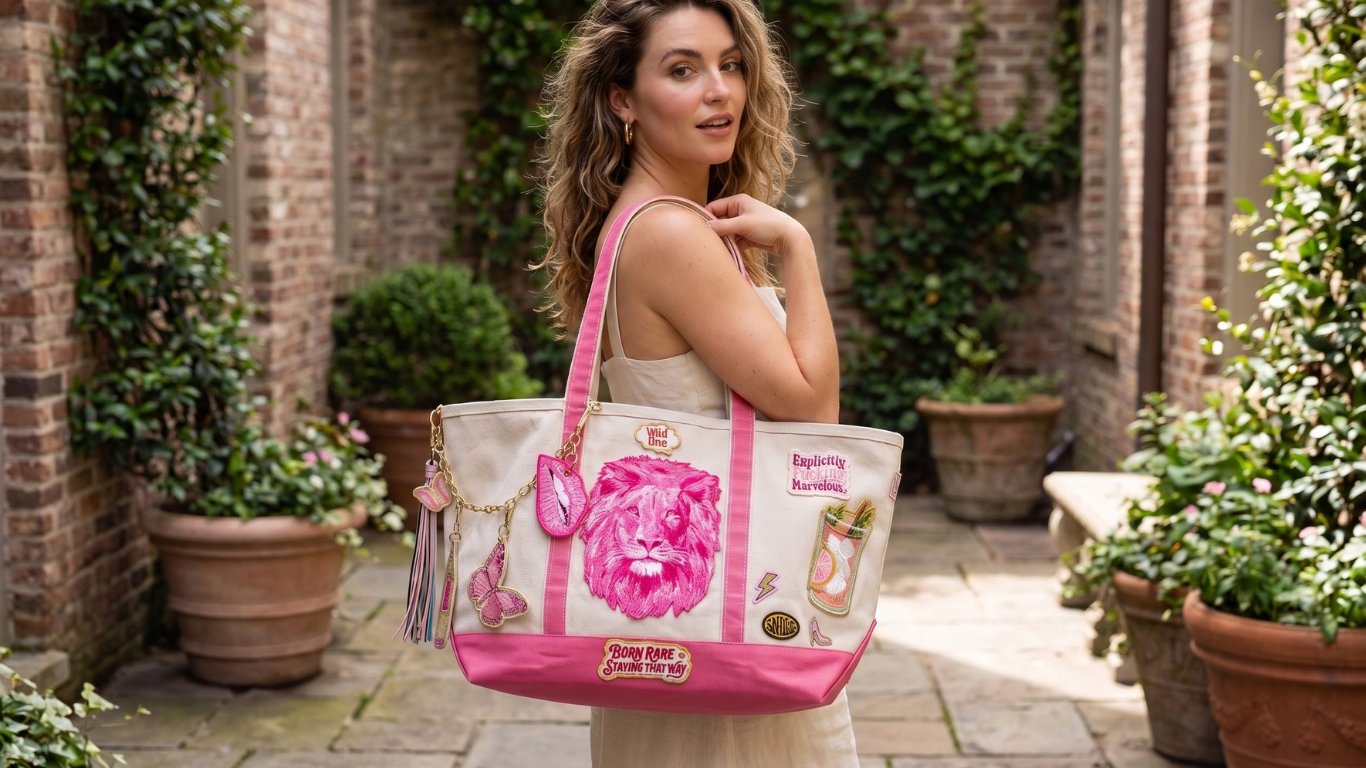
Photo: Wild Thread Studio
A tote bag rarely needs an occasion. It goes to work, the farmers market, the beach, and even the airport, accommodating whatever the day requires. Finding one that feels distinctly yours, however, can take a little more consideration.
Perhaps it’s a butterfly that catches your eye, a horseshoe chosen for luck, or a cowboy boot that reminds you of home. These are among the embroidered designs at Wild Thread Studio, a Charlotte atelier where choosing a bag can become an exercise in personal style. Totes provide the canvas, while charms give their owners room to experiment.
Founder and artist Stephen Wilson draws each design, bringing an embroidery practice developed over more than thirty years to pieces intended for everyday use.
“The difference is where it starts. A traditional accessory brand starts with a product and adds decoration. We start with the art and let it become an object,” said Denise Shirley, who works in marketing and sales at Wild Thread Studio.
The Art Is in the Stitch
Stephen began his career in his early twenties as a freelance embroidery designer for fashion and production houses in New York, including work for Oscar de la Renta and Dior. He later worked within the DIY embroidery community and moved into fine art before developing Wild Thread’s accessories.
Translating a drawing into embroidery requires digitizing it stitch by stitch. Stephen determines the direction of the thread, its density, and the sequence of the layers, accounting for how a piece will hold its shape once cut free. A small charm can contain thousands of stitches, with testing and refinement needed to make a petal or butterfly wing recognizable at that scale.
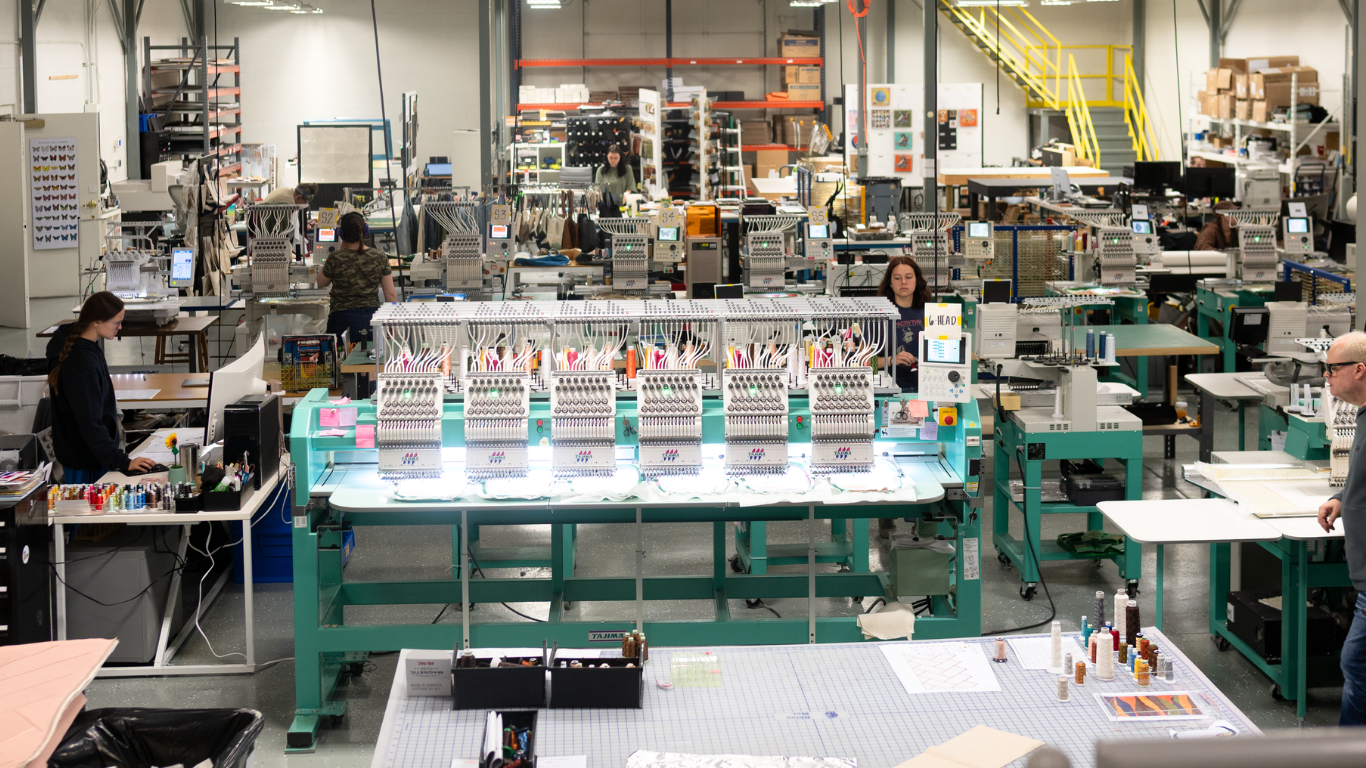
Photo: Wild Thread Studio
“From across the room a Wild Thread charm reads as a bold graphic, but up close you see the stitch direction, the shading, the way the thread has been used almost like paint,” Denise said. “That second look is the moment it stops being an accessory and becomes art.”
The designs are stitched on the studio’s machines in Charlotte, then trimmed, finished, and assembled by hand. Denise compares the team’s approach to that of bench jewelers, using specialty tools for precise work and inspecting every edge, seam, and piece of hardware.
Placement matters, too. Stephen composes a bag as he would a work for a gallery wall, allowing a cowgirl to cross a lower seam or a horse to appear partly outside the frame. The bag’s shape becomes part of the composition.
A Second Life in Style
Stephen has incorporated packaging and fabrics from Hermès, Chanel, and Gucci into his artwork for years. At Wild Thread, new and vintage totes become the starting point for combinations of vintage silk, denim, tapestry remnants, full-grain leather, and suede, finished with solid brass hardware.
“Because no two scraps of vintage textile or reclaimed leather are the same, no two finished pieces are the same either,” Denise said. “The embroidery may follow the same design, but the ground it’s stitched on shifts the color, the texture, the whole mood.”
The studio offers individual creations, limited editions, and bespoke totes. For a commissioned bag, customers can help select the textiles, patches, placement, and charms. These commissions are made once, allowing the customer to consider the entire bag with the studio, down to the arrangement of its embroidery. Patches are also available separately to add to items customers already own.
The Finishing Touch
At the Charm Bar, customers can try embroidered motifs, tassels, leather dog tags, hotel key designs, and thought bubbles against their bags. They’ve had the opportunity to build their own combinations in person during Wild Thread’s fall pop-up tour, with stops including Raleigh, The Miller Gallery in Charleston, LoveShackFancy in Kiawah, and, of course, Charlotte.
“Someone will walk up intending to buy one charm, and twenty minutes later they’ve built a whole composition, swapping pieces in and out, holding them against their bag, asking friends for opinions,” Denise said. “It’s taught me that the styling process is part of the art.”
Watching those combinations develop has influenced how the studio designs new pieces, particularly how they sit together and layer.
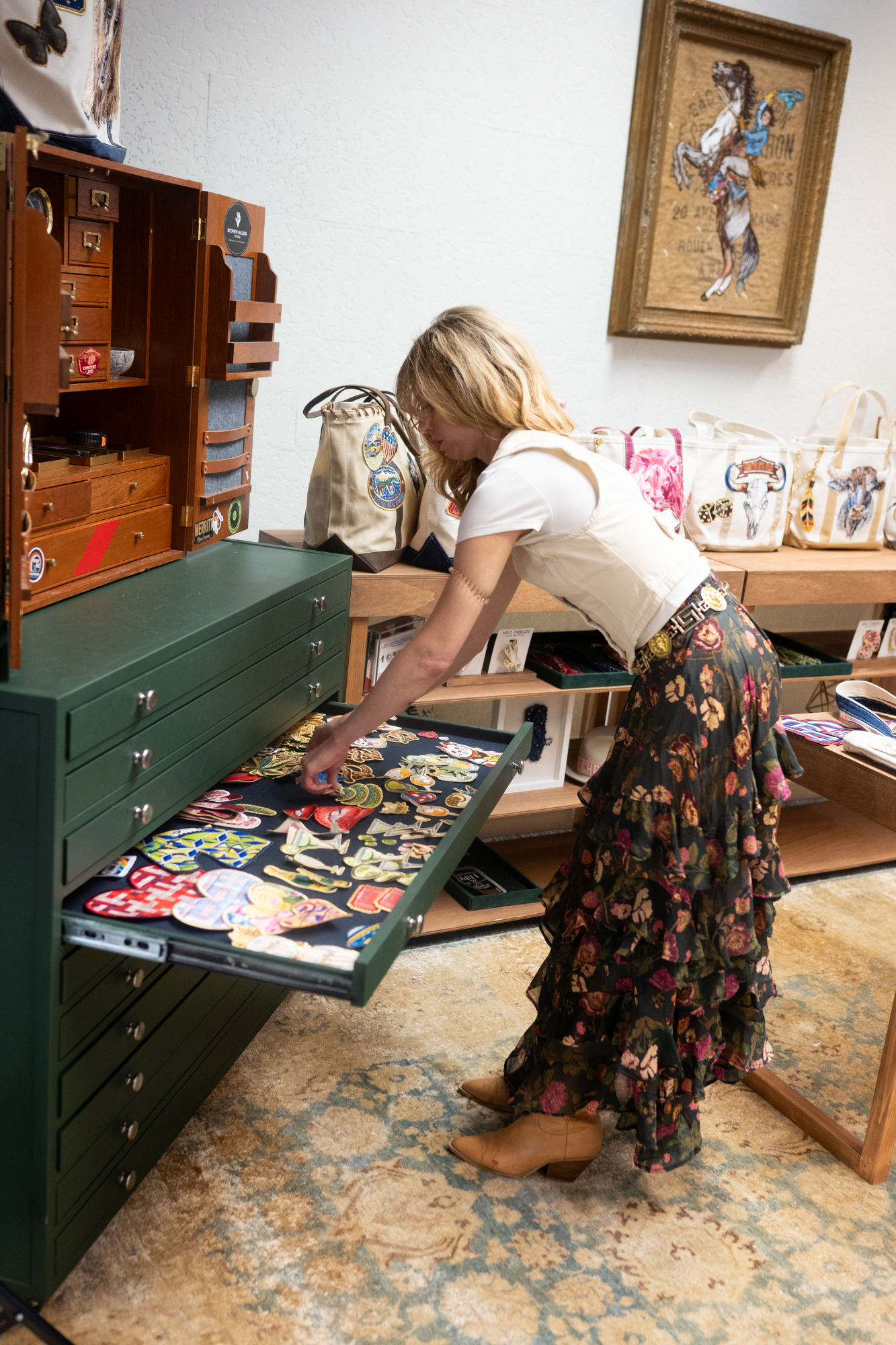
Photo: Wild Thread Studio
“People choose with their hearts,” Denise said. “A symbol from a trip, something that reminds them of a person, a color that just feels right.”
The studio is also developing custom work for companies, clubs, and organizations, producing bespoke charms in quantities ranging from 10 to 1,000 pieces. Designs, materials, packaging, and branding are made to order. Denise sees corporate gifting as an opportunity to create a keepsake recipients will wear and remember, giving these commissions a purpose beyond promotion.
Whether through a custom order, a collaboration, or a customer choosing at the Charm Bar, Denise wants to make the embroidery something more people can enjoy firsthand.
“The goal is simple,” she said. “More ways to bring the art into people’s everyday lives.”