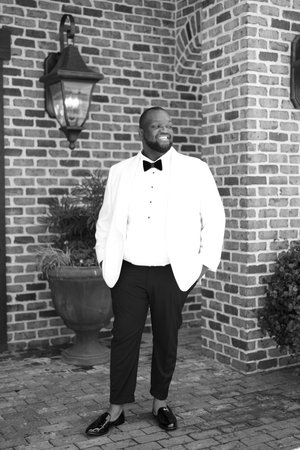
Getting to the Root of Self-Care at The Head Spa Sanctuary
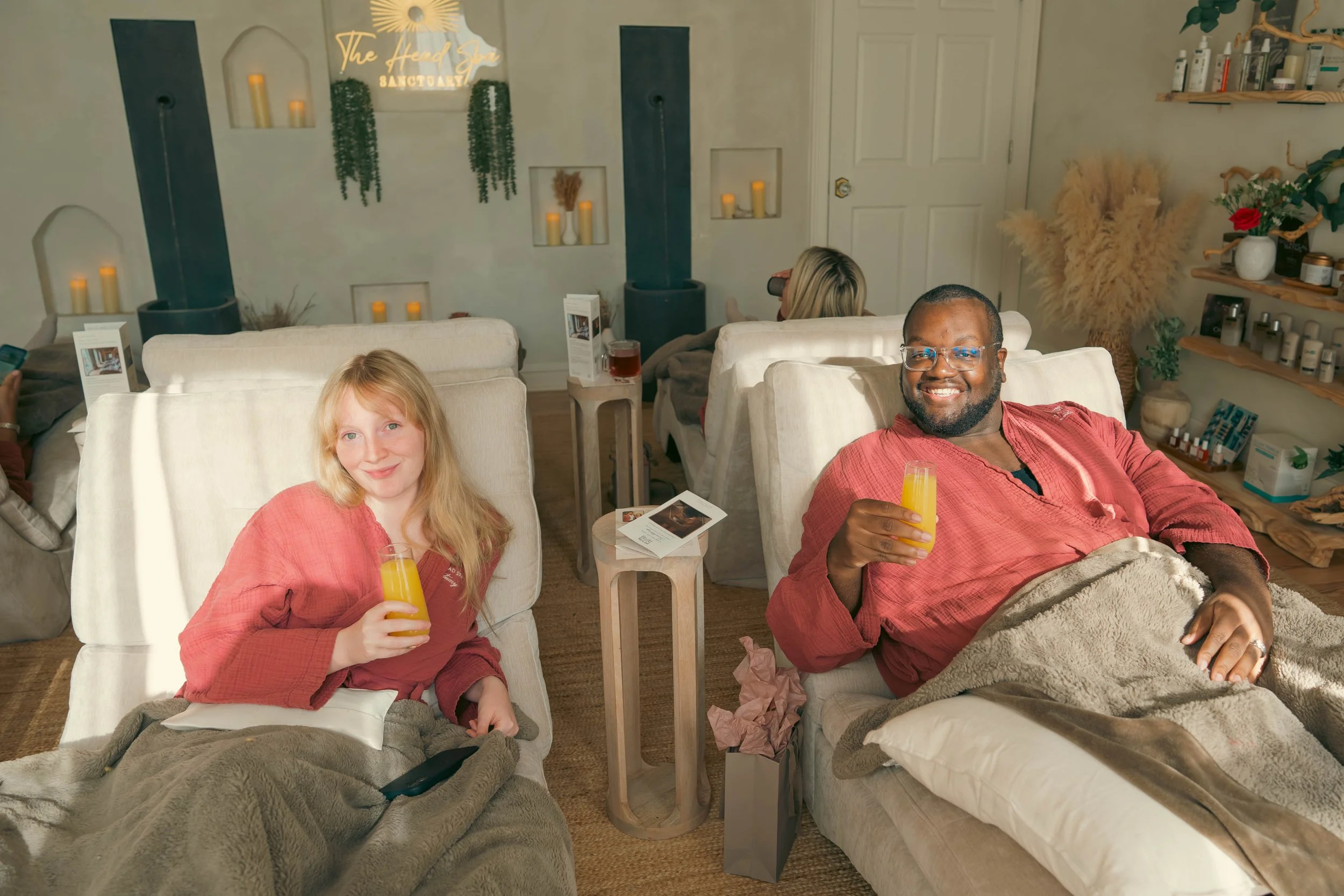
Photo: The Head Spa Sanctuary
It was about a year ago, during lunch with a good friend of mine, that I first heard the term “Japanese head spa.” My friend was in the middle of taking a much-needed wellness day from work and was searching for a good place to experience one. The puzzled look on my face prompted her to explain the treatment while showing me various photos of women lying beneath unique water contraptions. I ultimately wrote the whole thing off as a glorified hair wash that people had somehow decided was worth spending an obscene amount of money on.
While I may have dismissed the Japanese head spa experience, it certainly didn’t need my approval. The trend continued to thrive across the United States, with dedicated head spas opening and traditional salons adding the Japanese head spa experience to their list of services.
Eventually, curiosity got the best of me. A few weeks ago, I suddenly found myself invested in getting to the root of the story, pun totally intended. I made plans to reach out to The Head Spa Sanctuary in Pineville, figuring that, with a name like that, they’d have the answers to the questions now itching away at my scalp.
In what can only be described as perfect timing, before I even had the chance to reach out, an invitation arrived from Kecia, Founder and CEO of The Head Spa Sanctuary, to visit and experience a Japanese head spa for myself. So, I invited one of my good friends to come along and find out once and for all whether the experience is actually worth the hype.
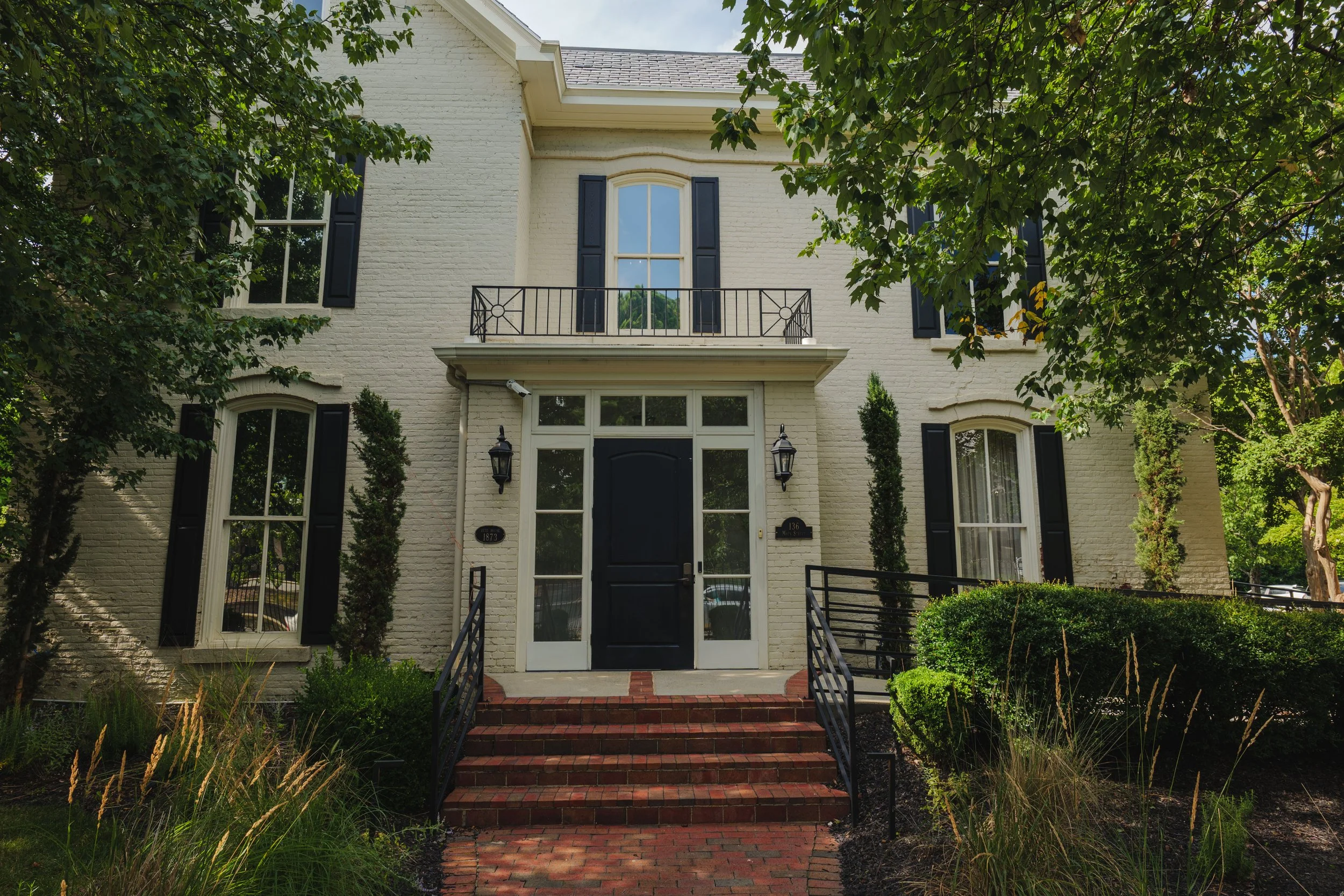
Photo: The Head Spa Sanctuary
Of course, before putting my scalp in anyone’s hands, I needed to know exactly what I was getting myself into.
“A Japanese head spa sits at the intersection of scalp care, hair care, massage and nervous system wellness,” Kecia explained. While a traditional salon shampoo focuses primarily on cleansing the hair, she says the head spa experience is built around the scalp and, just as importantly, the person it belongs to.
At The Head Spa Sanctuary, that means combining intentional cleansing and scalp care with extended massage of the scalp, head, neck, and shoulders. Water therapy, aromas, and sounds also work together to create an environment designed to encourage the body to slow down.
According to Kecia, that combination of scalp care and restoration may help explain why head spas have become increasingly popular in the United States.
“We’ve spent years investing in our skin while treating our scalp as an afterthought, even though it’s skin, too,” she said.
With a better idea of what I was getting myself into, it was time to experience it firsthand.
My visit began by changing into some comfy attire and joining my friend Hayley in the relaxation room, where we were treated to tea, mimosas, and snacks while we settled in and unwound. It was my first indication that The Head Spa Sanctuary was going to be a little different from the salon experience I had originally imagined.
From there, Kecia and her husband, David, took us on a tour of The Head Spa Sanctuary, tucked inside Pineville’s historic Samuel Younts House. As we moved from room to room, they walked us through the range of services offered throughout the property.
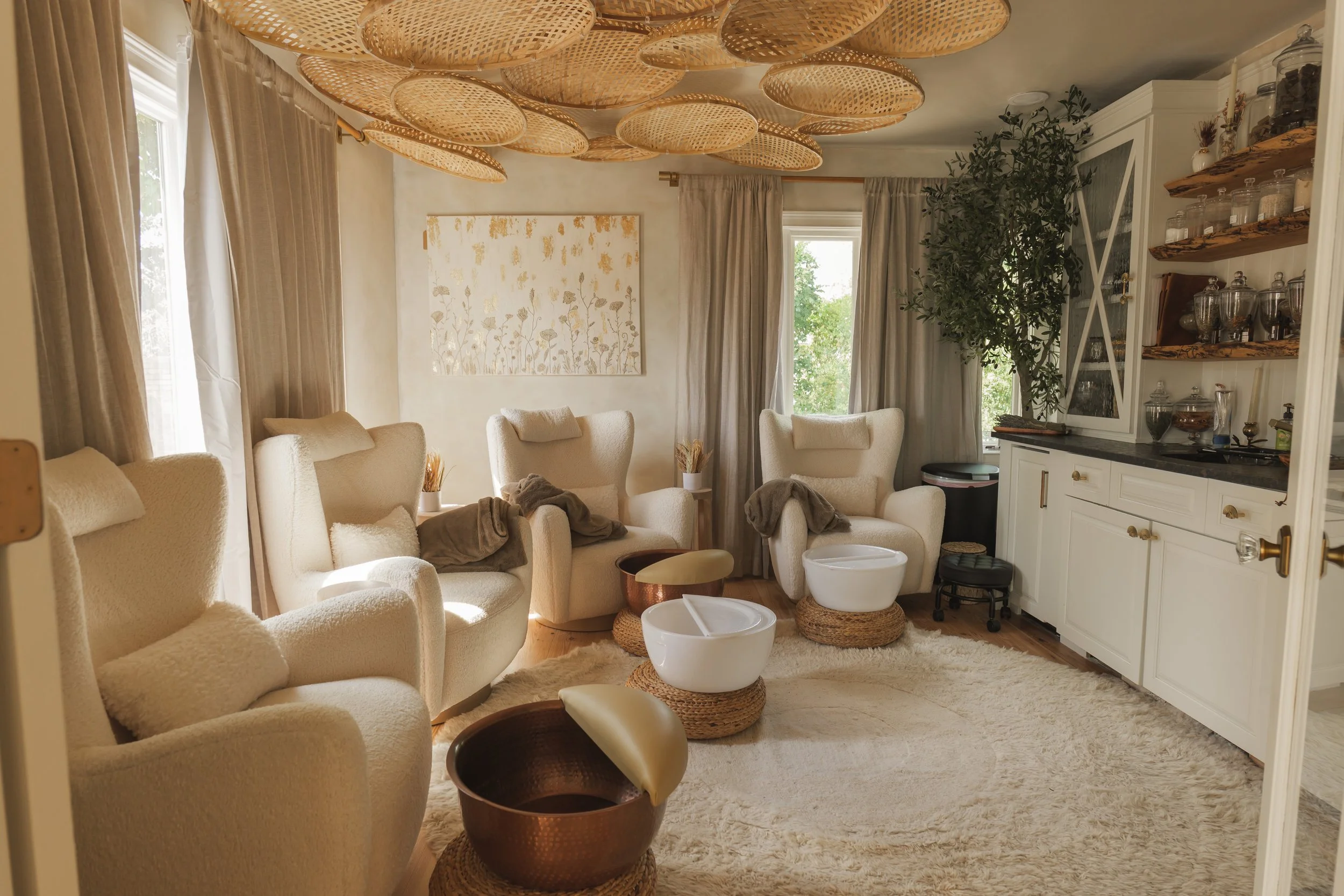
Photo: The Head Spa Sanctuary
“When my husband David and I created The Head Spa Sanctuary, the vision was never simply to open a place that offered head spas,” Kecia explained. “We wanted to create a true sanctuary, a retreat for the nervous system.”
The spa offers everything from massage and facials to body treatments, nail and foot spa rituals, and lash services. Two offerings Kecia is particularly passionate about are prenatal services and an oncology-focused program for guests undergoing or recovering from cancer treatment, both of which require specific training to adapt treatments to the needs of each guest.
“Someone going through chemotherapy is usually hearing a long list of places they can’t go and things their body can’t do right now,” Kecia said. “Being able to say yes, come in, we know how to take care of you matters more to me than anything else on our menu.”
Following our tour, it was time for my Japanese head spa treatment with Fran, my wonderful Head Spa Specialist.
We started with a scalp analysis, which gave me a much closer look at my own scalp, something I realized I knew surprisingly little about. Going into the appointment, I had convinced myself that mine was probably in pretty rough shape and, more specifically, extremely dry. Fran quickly challenged both assumptions, showing me that my scalp wasn’t nearly as bad off as I had imagined and even pointing out areas that were actually oily.
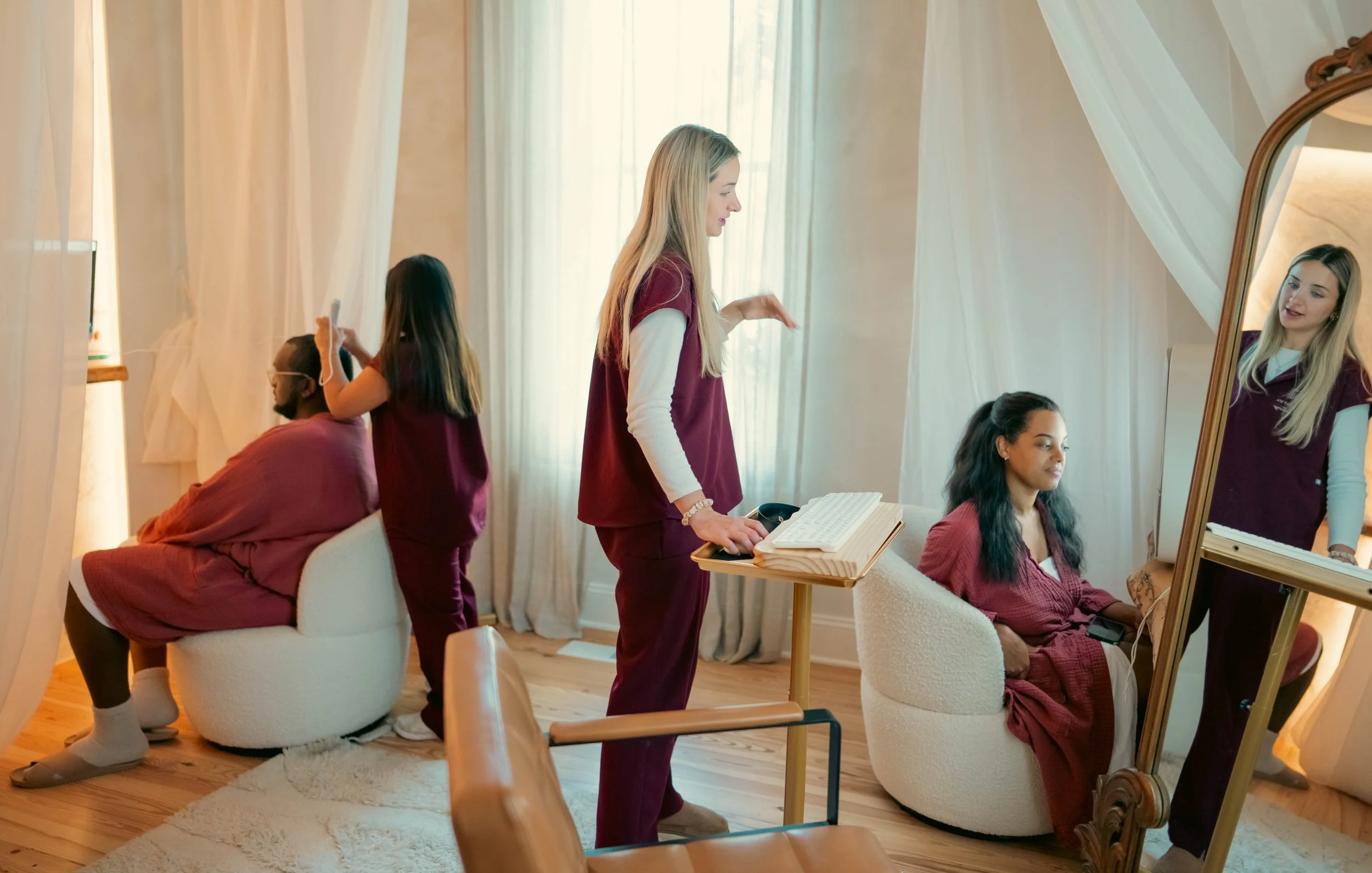
Photo: The Head Spa Sanctuary
“Most people have never actually looked at their own scalp,” Kecia had told me. “There’s something powerful about seeing it on a screen and finally understanding what your skin has been asking for all along.”
I now understood exactly what she meant.
With a newfound familiarity with my scalp, I settled onto the massage table, put on an eye mask, and surrendered myself to the experience. What followed was a deep scalp treatment accompanied by a massage and facial.
Somewhere along the way, though, I stopped thinking about my scalp altogether.
The massage, water, sounds, and stillness of the room created the kind of pause I hadn’t realized I needed. By the time I got off the table, the most noticeable difference wasn’t something I could see in my hair or scalp. It was how I felt.
I felt incredibly light.
Life has a way of getting in the way, and before arriving at The Head Spa Sanctuary, I had been carrying some personal stresses of my own. I knew they were there, but I hadn’t realized how physically I had been carrying them until, for a little while, I wasn’t.
Kecia had described the goal of the experience as giving guests an opportunity to “put down everything they’d been carrying.” That ended up being the part of the experience that stayed with me most.
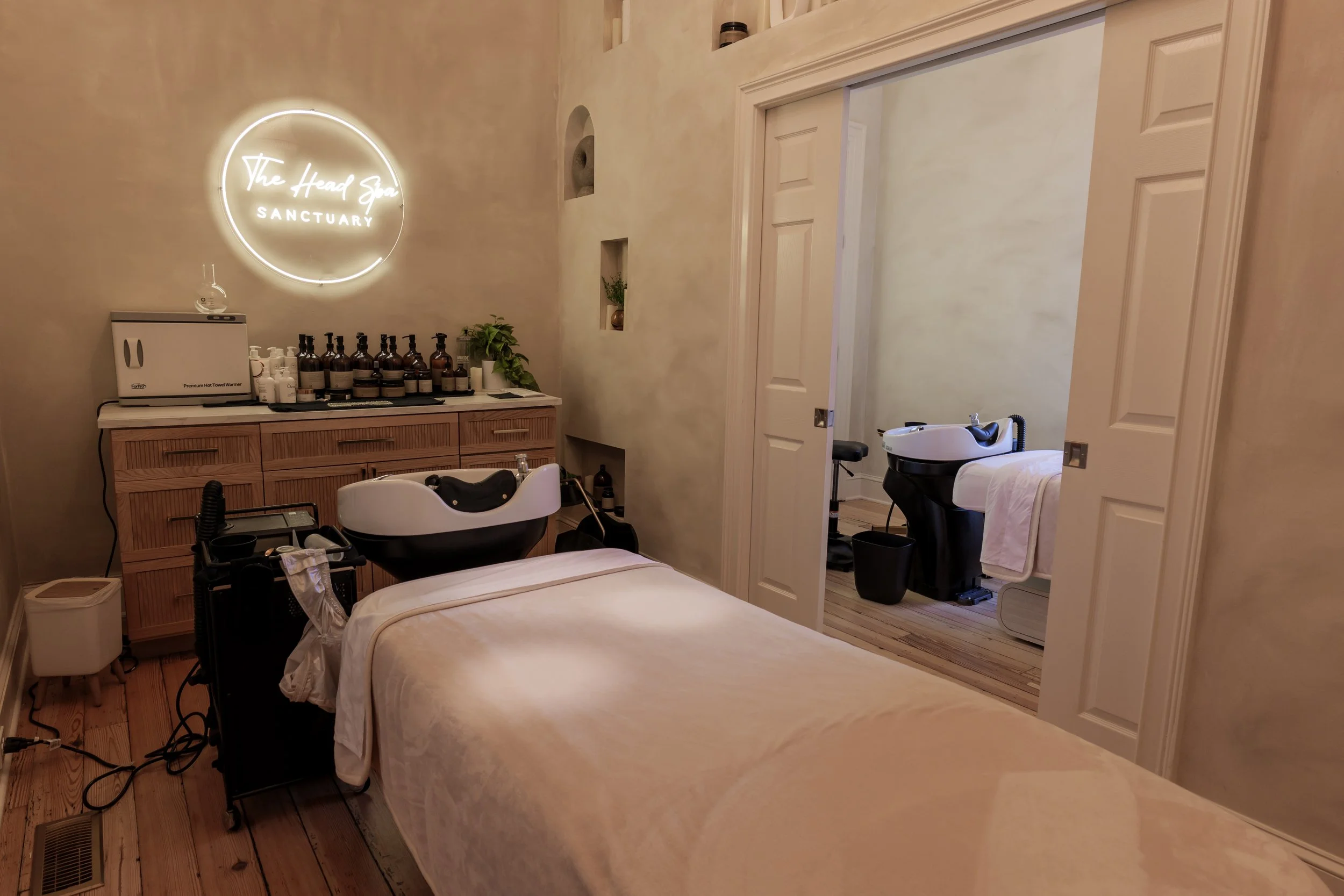
Photo: The Head Spa Sanctuary
“Social media may have introduced many Americans to head spas because they’re beautiful to watch, but I think it’s how people feel afterward that brings them back,” Kecia said.
You don’t need a particular scalp concern to benefit from one, either. Kecia compares routine head spa treatments to getting a facial for healthy skin or a massage for a body under stress. For someone primarily interested in restoration and routine scalp maintenance, she recommends approximately every four to six weeks, although that can vary depending on the individual.
As for whether the Japanese head spa experience is worth the hype, I’m willing to admit that my assessment over lunch a year ago may have been just a little premature.
I went into The Head Spa Sanctuary expecting to learn something about a wellness treatment I didn’t quite understand. I left knowing more about my scalp than I ever expected to know and feeling considerably lighter than when I walked through the door.
Turns out, sometimes self-care really does start at the scalp.